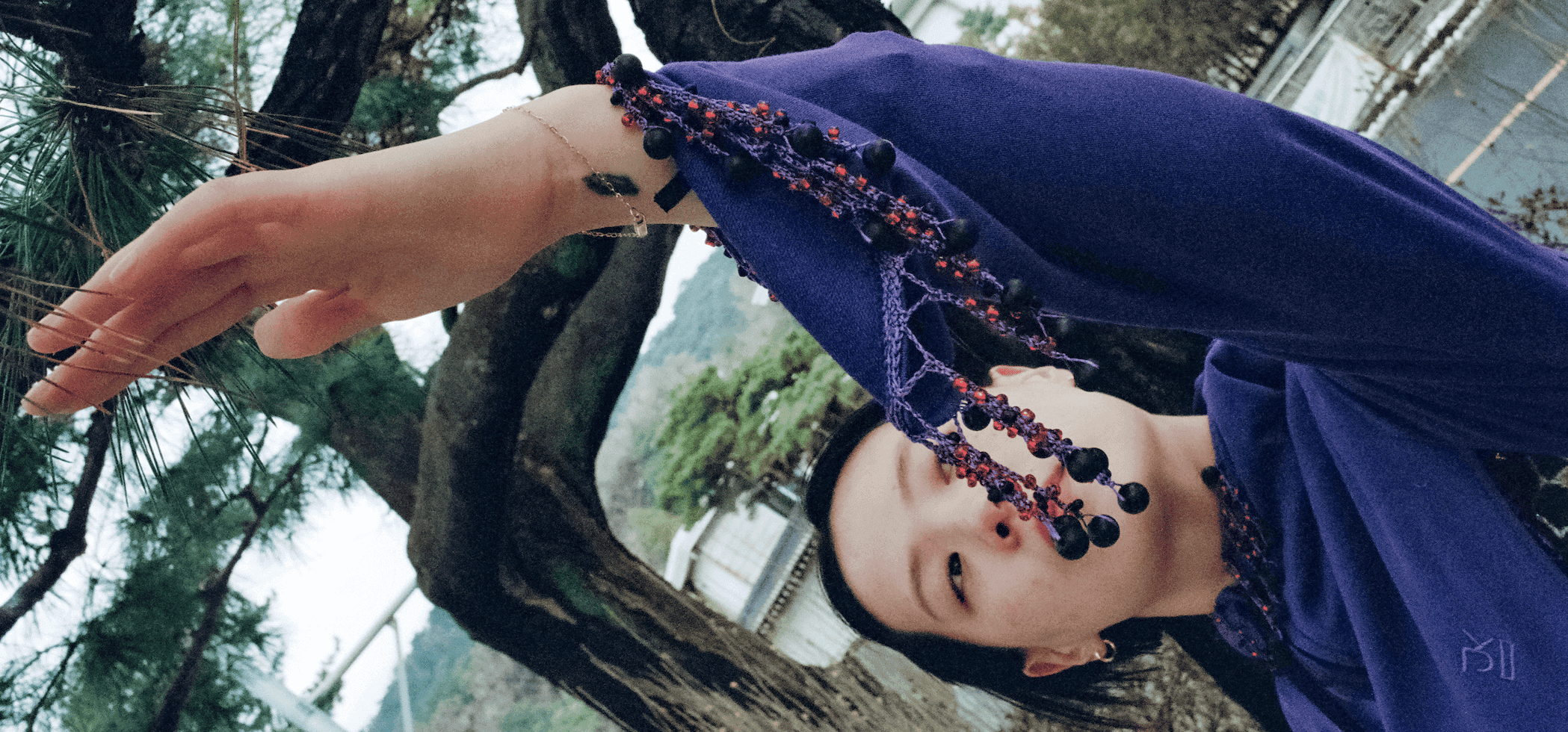
J.Kim is a Tashkent-based fashion brand founded by designer and creative director Jenia Kim in 2014. Born into a Korean family in Uzbekistan, she absorbed different cultural layers of both, creating a dialogue between her place of birth and her roots. The primary source of inspiration comes from the stories of the city, the countries, and, of course, the people. The designer finds beauty in everyday items and moments that usually go unnoticed.
Jenia aims to create elegant garments filled with the warmth of handcraft to convert emotions and experiences into tangible objects. By using vintage fabrics and traditional craft techniques, she adapts them to reality, and creates intricate apparel, working hand-in-hand with local artisans.
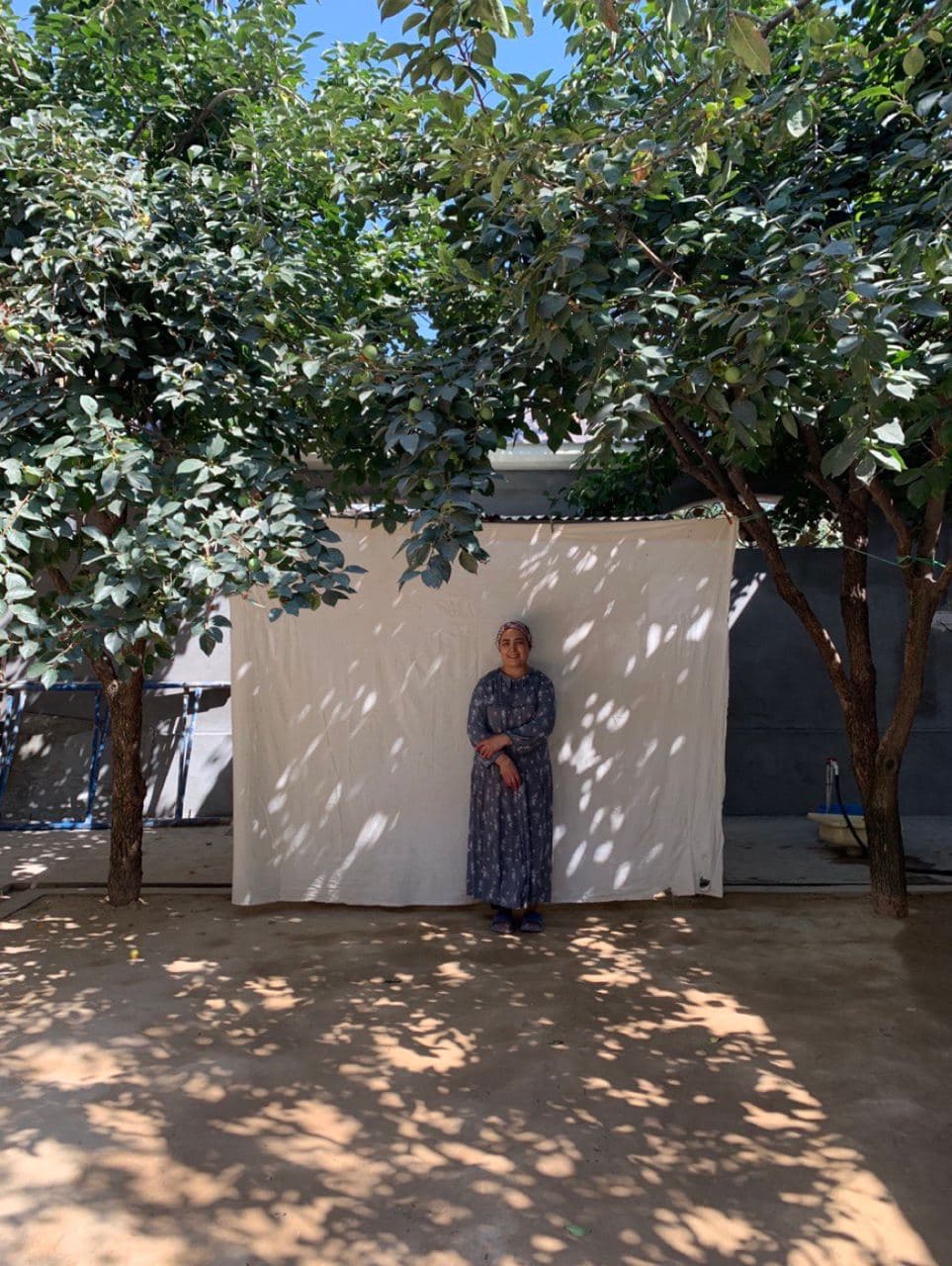
J.Kim is devoted to expanding perception through purity, humanity, and warmth, it seeks to build new contexts, rooted in multicultural heritage and meaningful craftsmanship.
With art as a tool to cultivate traditions and sense of belonging, it resonates with the third culture kid experience, forming value and hidden subtext. It also hopes, via new forms, to broadcast an image of Uzbekistan beyond reduction and stereotypes.
More broadly, it inspires those feeling out of place to find strength within and chart their paths by believing in their ideas.
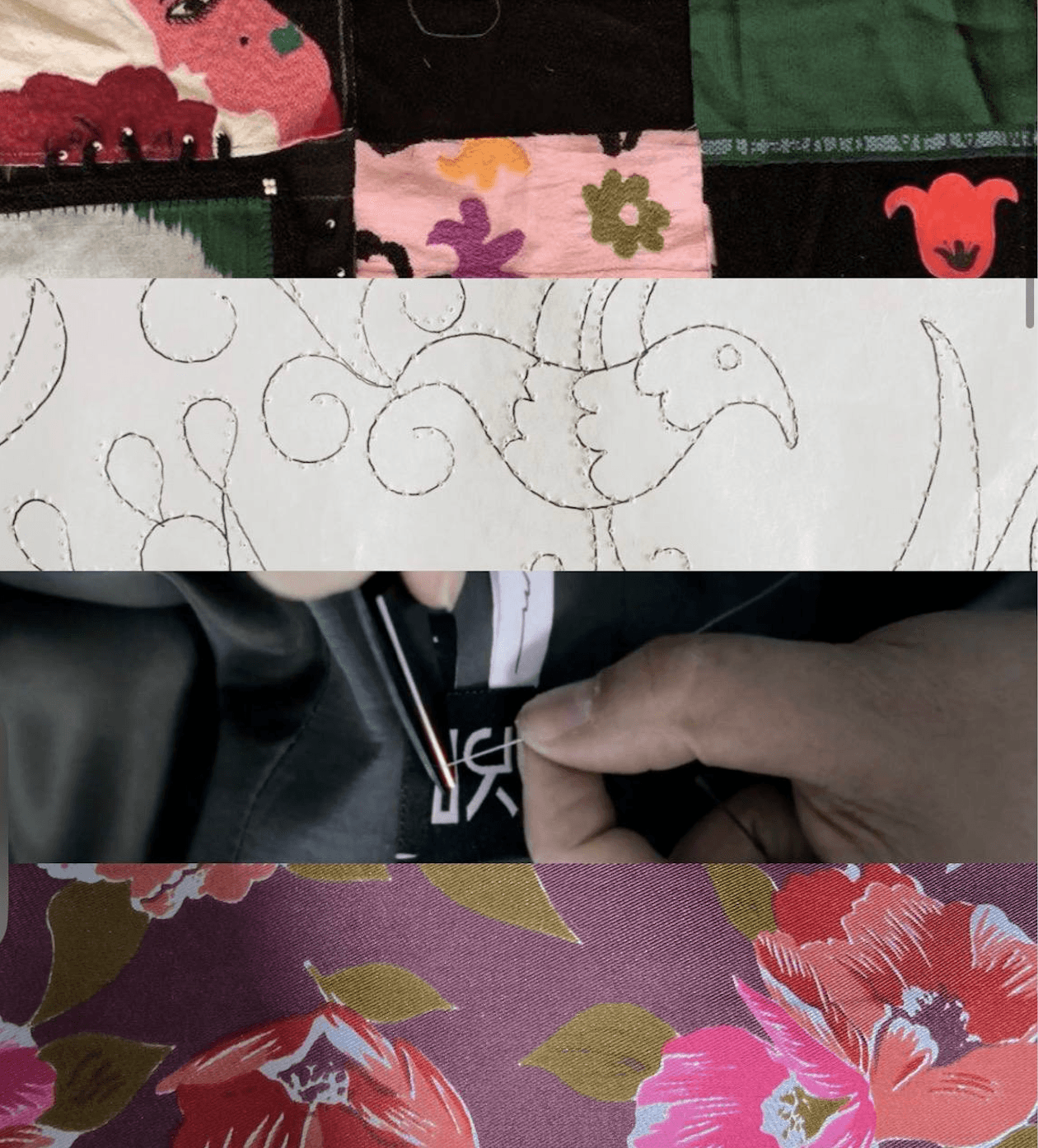
Every J.Kim collection is elevated by high-skill artisan labor. The resulting features include suzani by Uzbek embroiderers, hand-cut buttons, tied edges, and hand-woven as well as hand-dyed fabrics.

J.Kim undertakes to give back in meaningful ways to communities it sources inspiration from. The company makes an effort to attract publicity to the country of Uzbekistan and raise awareness about the issues of the Koryo-saram diaspora. It prides itself on consistently offering fair compensation in workplaces it creates, monetarily and otherwise supporting select local artisans, and dealing with other small businesses in Uzbekistan. The company also endeavors to contribute to charitable causes elsewhere on a one-off basis.