J.Kim for i-D Magazine: What it means to be Soviet Korean
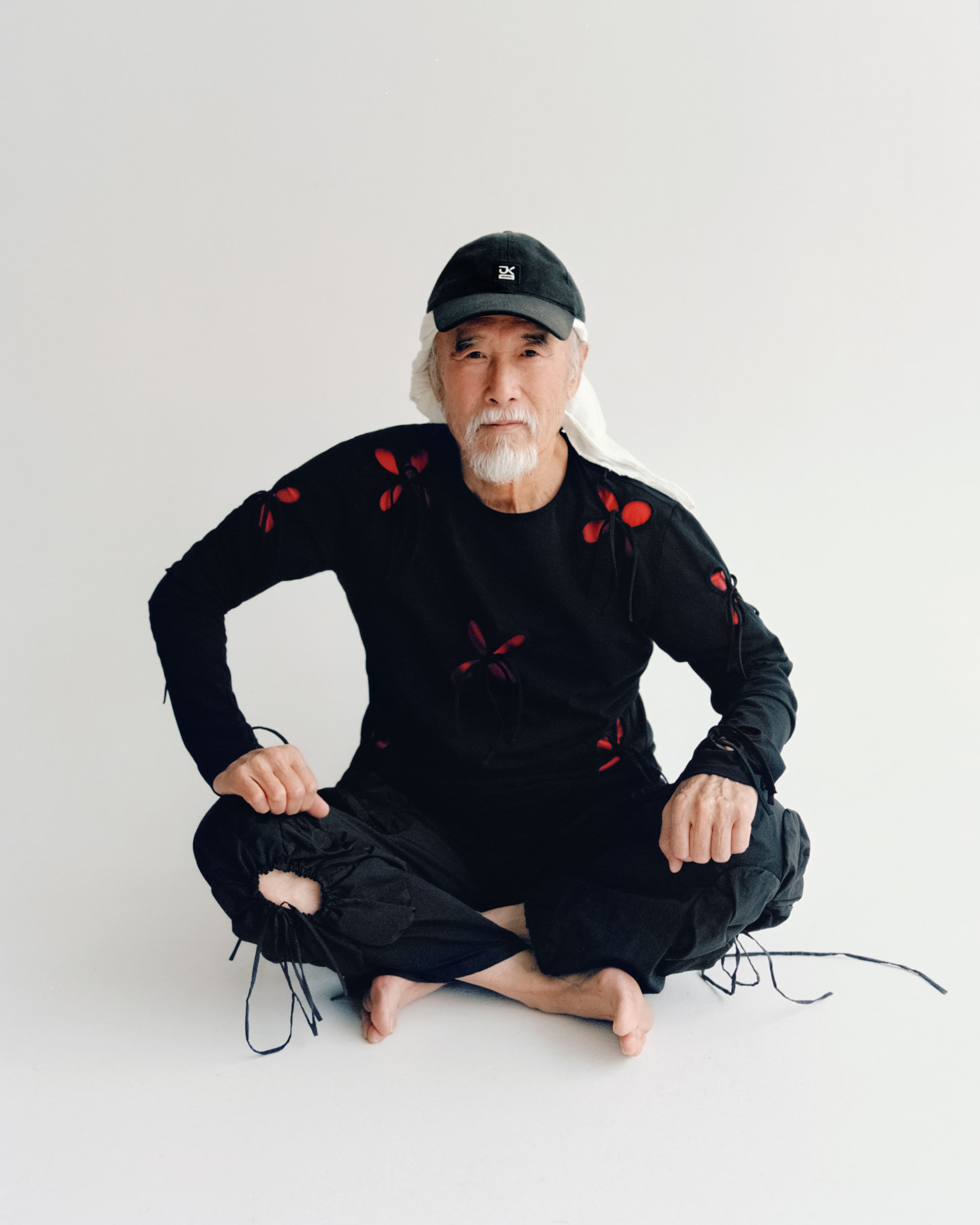
“To get around to your identity, you probably first need to learn about the history of your people and your family,” Jenia Kim says. “If nothing can be taken from the past, if it is impossible to reach for any historical facts, then you need to look for support in the present.”
Since founding fashion label J.Kim in 2013, the Tashkent-based designer has been creating clothes as a means of exploring her own identity and heritage that spans continents and cultures. Born in Uzbekistan to an ethnically Korean family, Jenia is one of over 500,000 Koryo-saram, descendants of ethnic Koreans mass repressed and interned in the Soviet Union, now living throughout Eastern Europe and Central Asia.
The history of the Koryo-saram — or Soviet Koreans — dates back to the late 19th century, when the decline of the Joseon Dynasty compelled many Koreans to leave their homeland in search of better lives elsewhere. As the Qing Dynasty had sealed the Chinese borders, these migrants were obliged to move towards the Russian Far East, where they settled and flourished, primarily as rice farmers and fishermen. Not even a century later, however, the 1937 Stalin-led repressions — the mass deportation and ethnic cleansing of Koreans in Soviet Russia — uprooted these people and survivors were forced to resettle across Central Asia. Today, the Koryo-saram are a diaspora spread across countries including Uzbekistan, Kazakhstan, Russia and Ukraine.
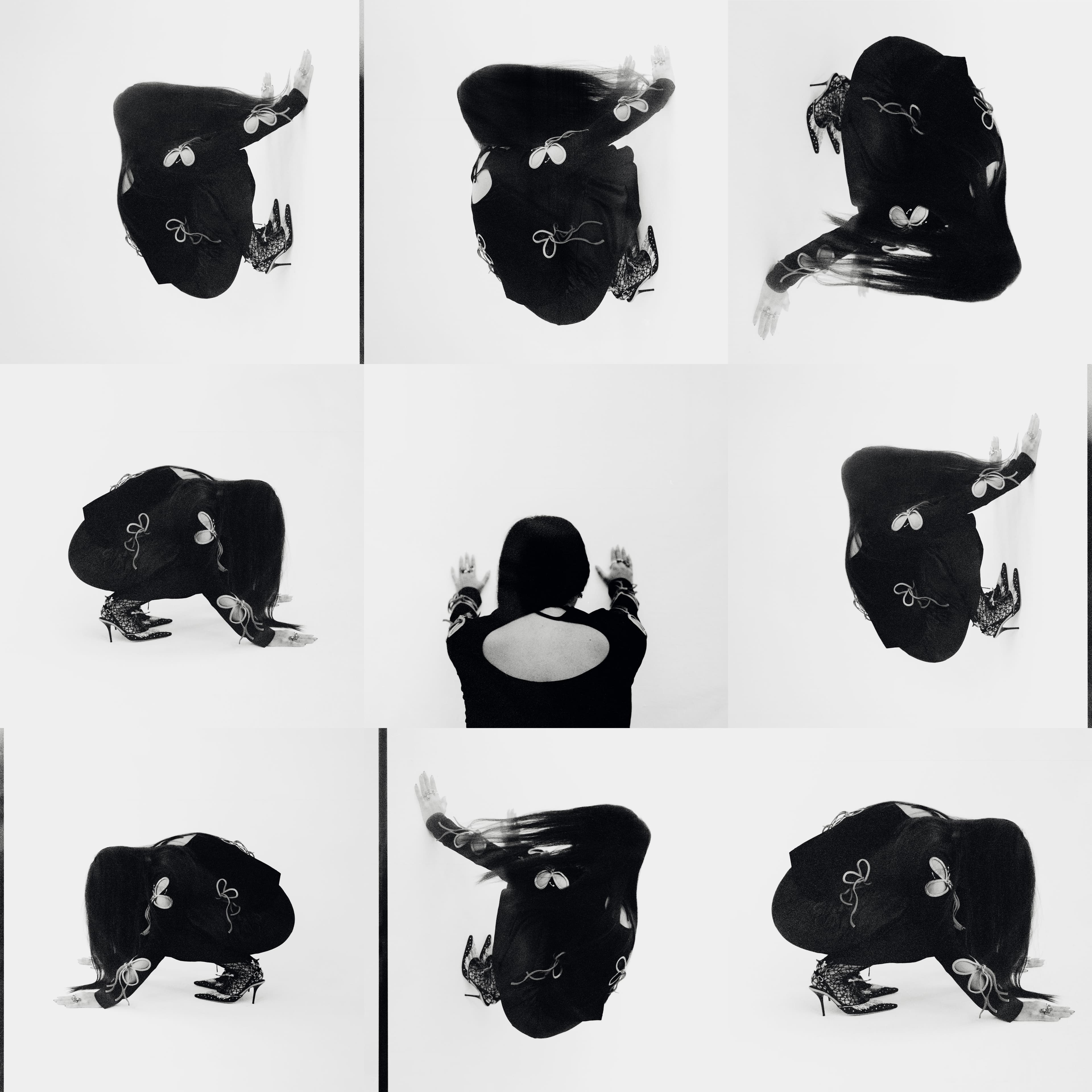
“I think that the main unifying factor [of the Koryo-saram] is a struggle to understand who you belong to and some kind of abandonment,” Jenia explains. “For me, this is like a separate nation or ethnicity, scattered over different territories — not having its own state.”
With J.Kim, Jenia has spent the better part of a decade reflecting on her Koryo-saram identity. “As a separate ethnicity, the Koryo-saram don’t really have a folk costume. I wanted to come up with something of my own: a folk costume of Soviet Koreans of sorts, but placed in the contemporary world,” she says. A patchworked floral jacket — now on display as part of the V&A Museum’s Hallyu! The Korean Wave exhibition — was the designer’s first attempt at creating one such folk costume. Over the course of 10 years, spent mixing and merging Korean and Uzbek elements, Jenia has come up with her own, singular design language. And she’s come to better understand her identity along the way.
Now that Jenia’s search for her own identity has come to an end then, the designer is looking outwards. “I want to find out how relevant it is for other people like me and find out their thoughts on this matter. I want to know how they feel,” she says. In the last few months, the designer reached out to a handful of Koryo-saram hailing from different backgrounds and experiences to speak with them about their own journeys.
“Most of all, I want to understand what people like me feel and hear their stories. It matters to me to share these experiences,” — Jenia says.
She has reached out to several Koryo-saram with different backgrounds and family histories to speak with them about their paths through life, their sense of identity, and the emotions that shape their present. This is how the photo project What it means to be Soviet Korean came to life, created by the J.Kim team in collaboration with i-D Magazine. Its participants — Uliana, David, Mario, Anna, Violetta, Viktor and Nelli — span generations, from teenagers and young professionals to the older generation. What unites them is a shared feeling of “living between worlds” and a search for a language that can hold their Korean roots within the realities of Uzbekistan, Russia and contemporary Korea. Here, we share a selection of their words. The full interviews with each participant can be read here.
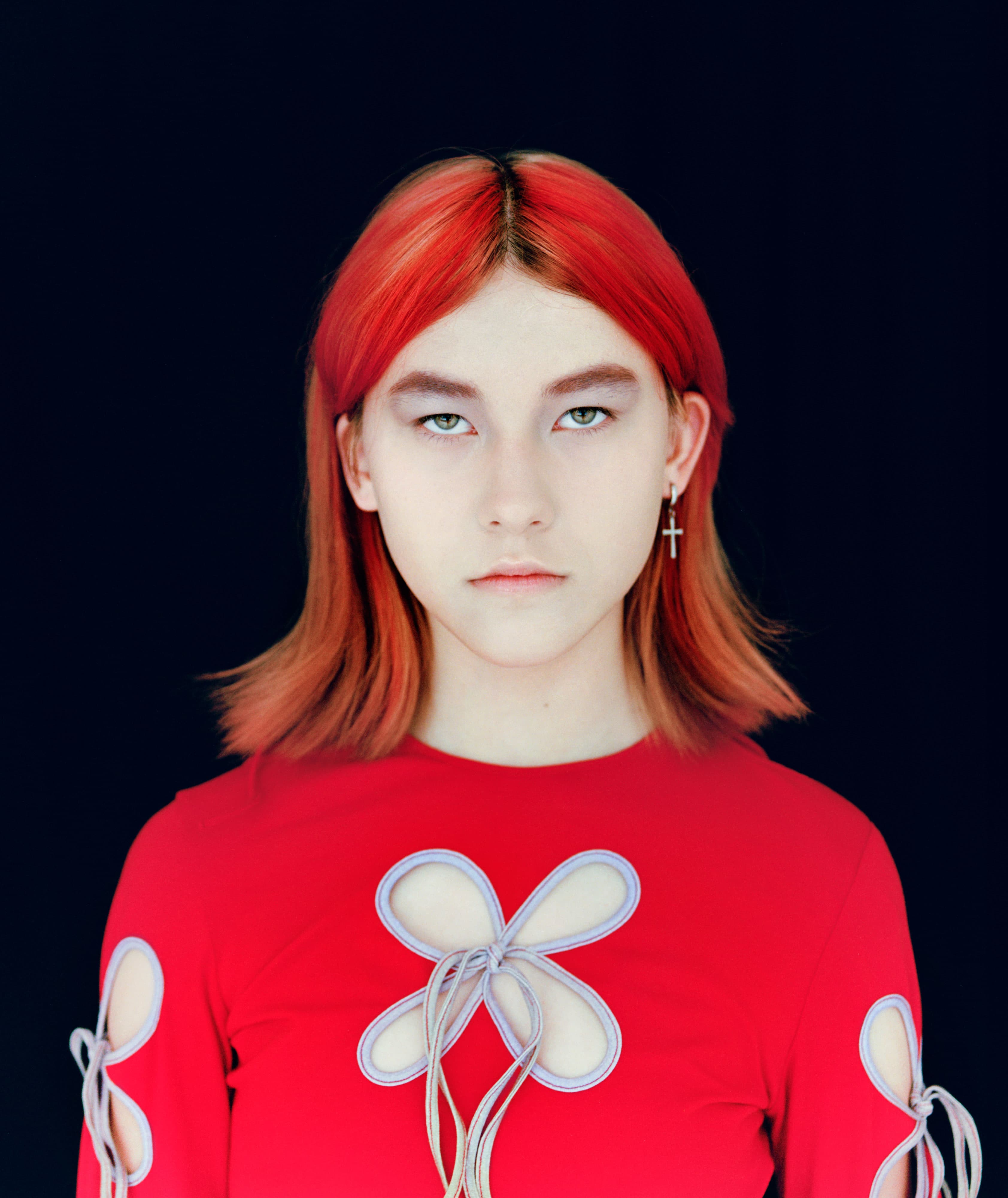
“I was born in Chirchik and live in a Korean neighbourhood. On paper I’m a citizen of Uzbekistan, but I feel more Korean than anything else — I spend time with Koreans, absorb the culture from my mum’s side and feel myself drawn towards it.”
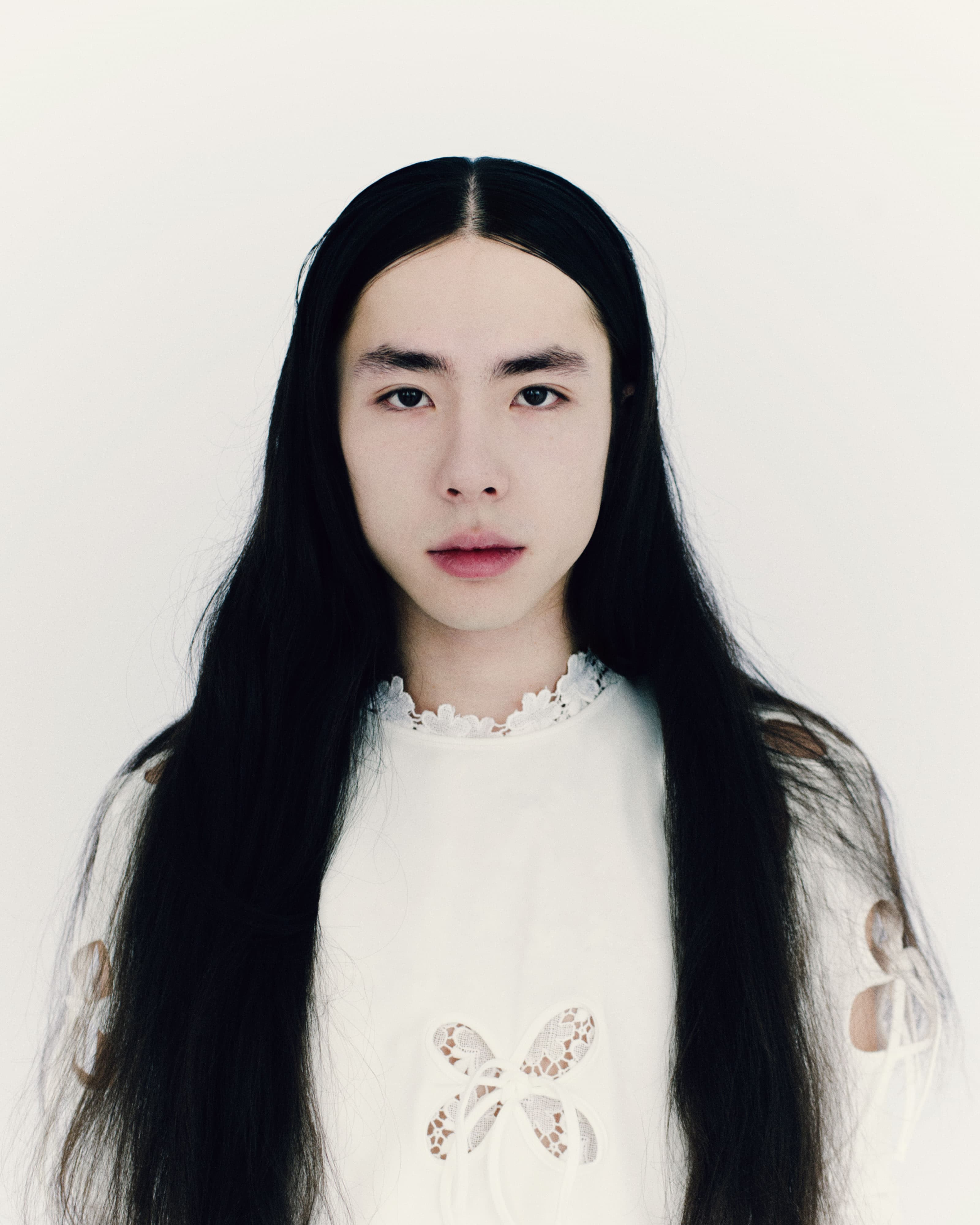
“In my family, Armenian, Kazakhstani Korean and Moscow backgrounds are all mixed together. I can’t say I truly feel like a Kazakhstani Korean or fully Armenian. I grew up sitting at Caucasian feasts as ‘that narrow‑eyed boy’, and even now I experience myself somewhere between all of these identities.”
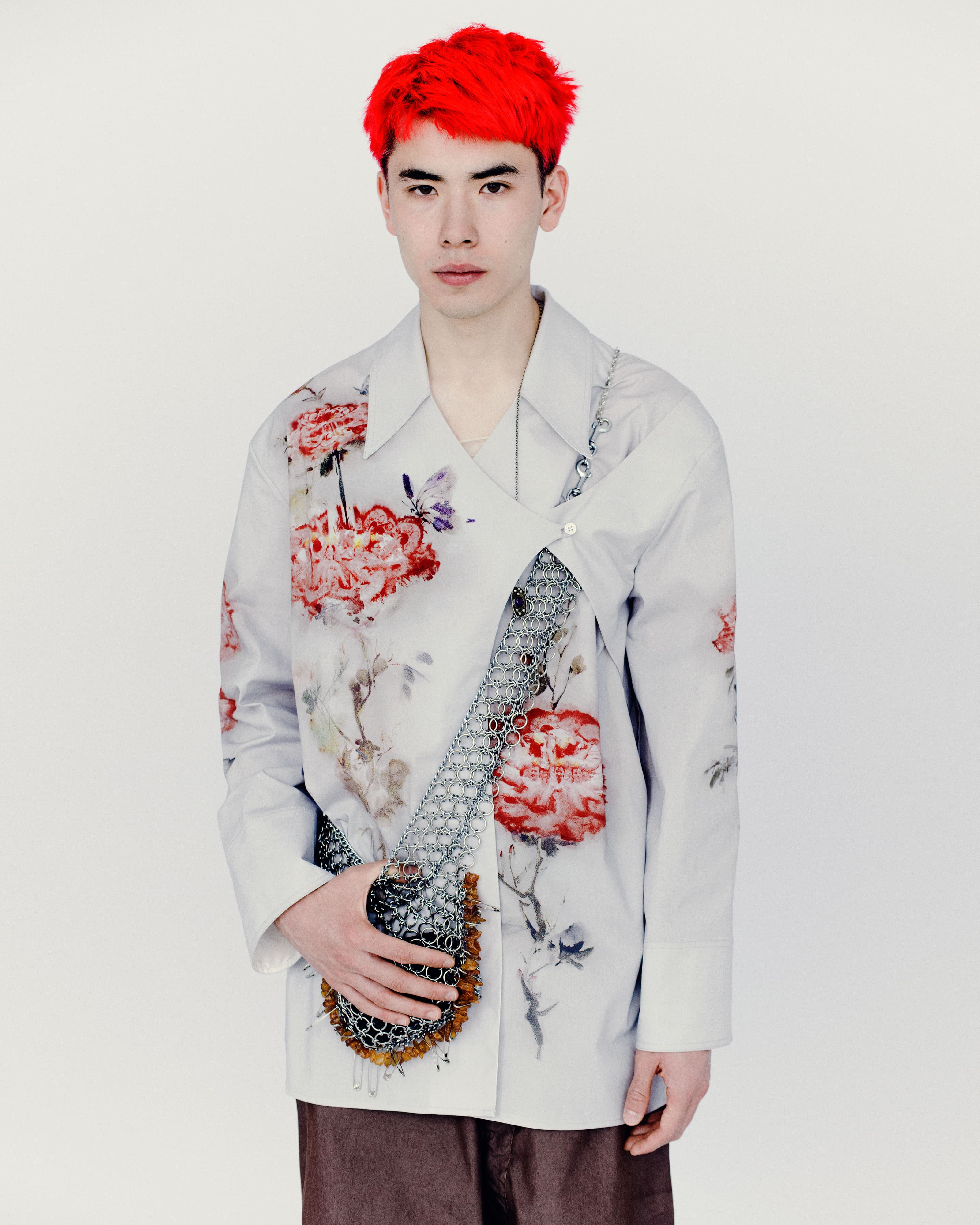
“I don’t feel I can honestly call myself just Korean or just Russian. Our story goes back to Korea, to fleeing Japanese repression and then Soviet deportations, but the mentality of Korea today is still unfamiliar to me. I feel suspended between these worlds, in that in‑between state.”
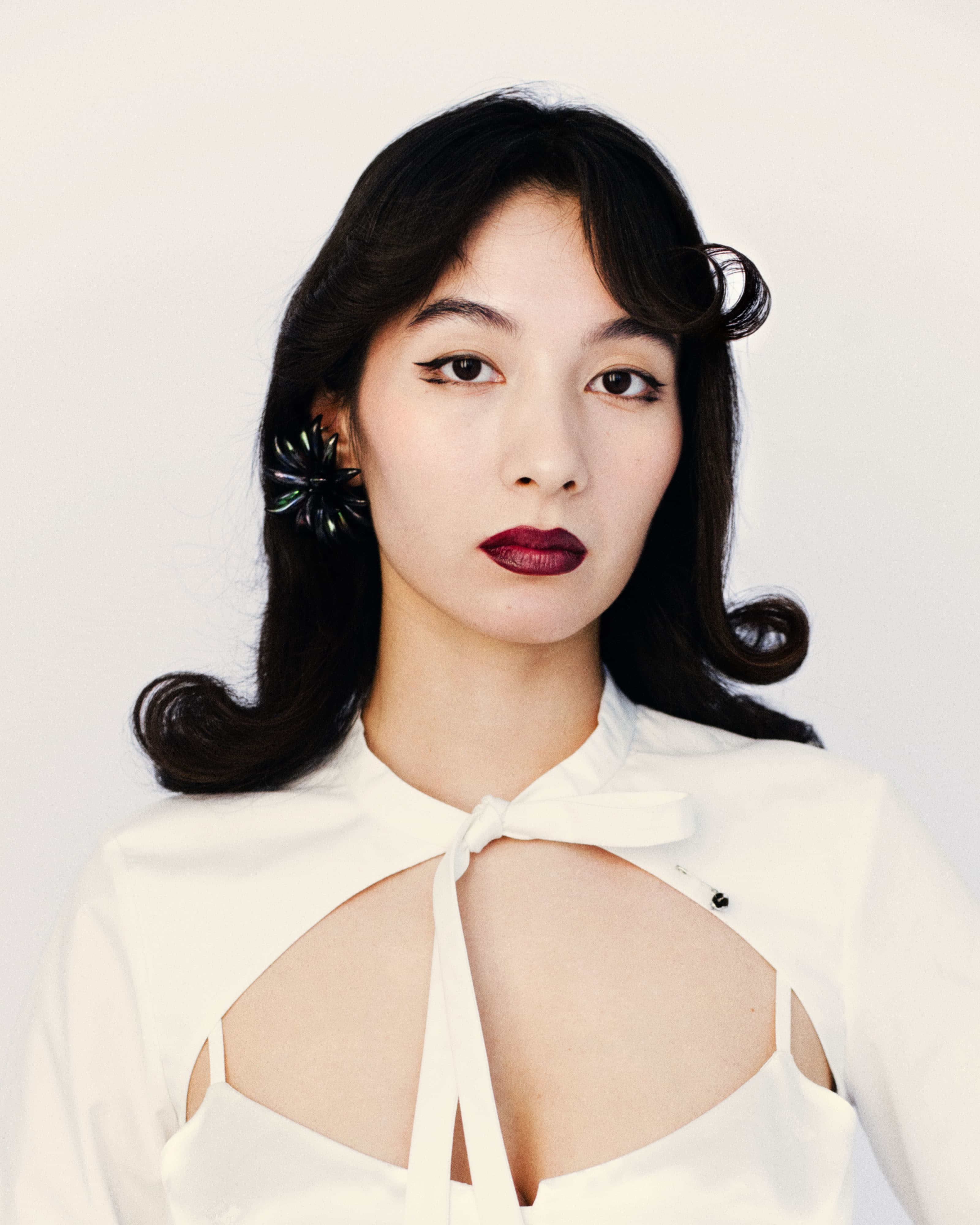
“My childhood was split between Tajik and Korean roots, set against the backdrop of a Russian school where the environment was not always accepting. I carried two cultures at once and kept asking why I look the way I do. Only later did I find a way to say that I belong to Russian culture and, at the same time, am half Korean and half Tajik.”
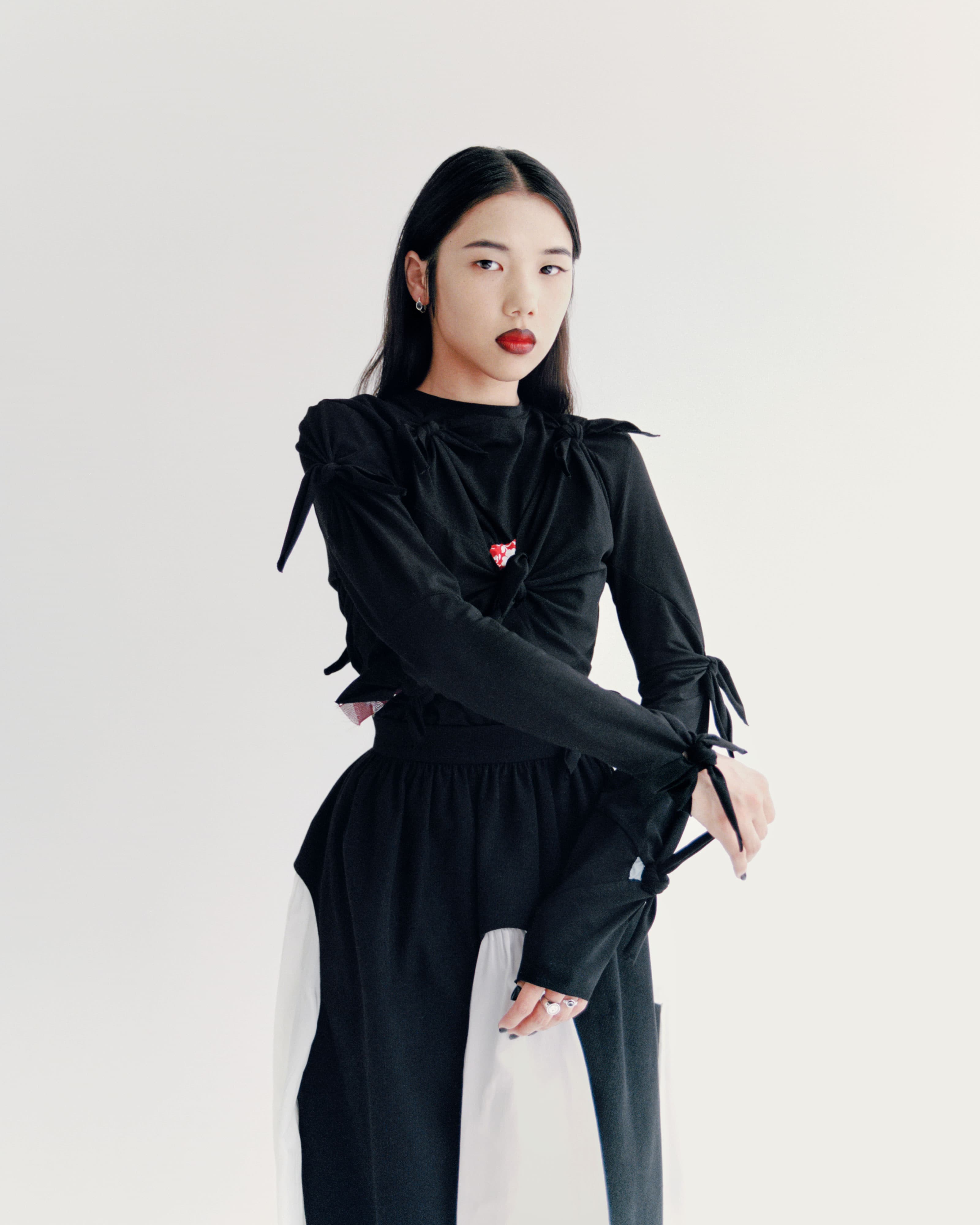
“It feels like we’re not fully ‘ours’ in Korea anymore — our experience and worldview are different — but we’re never completely ‘ours’ here either. We’re always standing with one foot there and one here. We won’t be fully accepted there, and here we’re also a bit apart, so we exist as a small autonomous part between two worlds.”
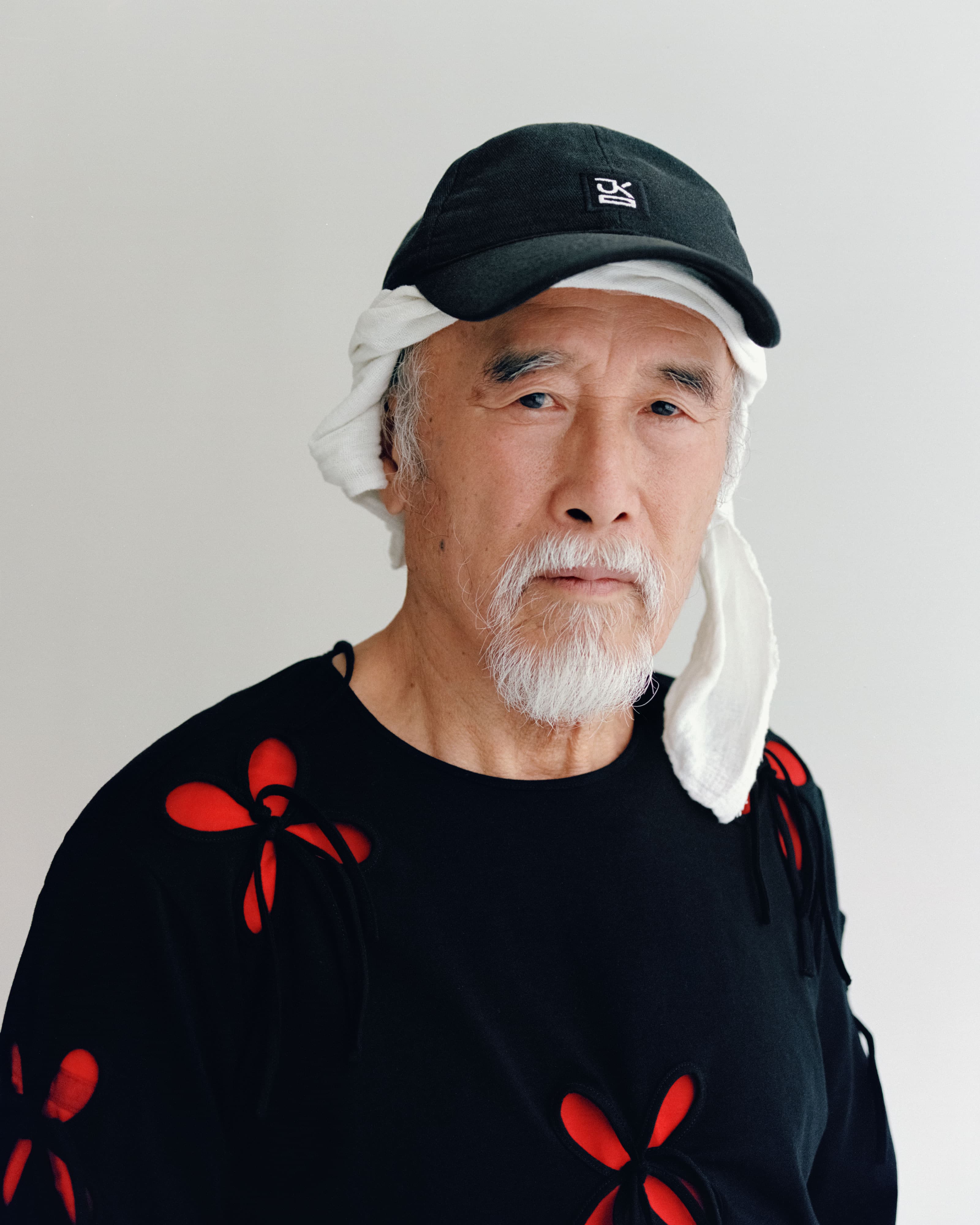
“I grew up among Koreans and from childhood sensed this specific Korean essence, though I didn’t grasp its value then — my parents did. As a mixed‑blood generation, it is precious to them, and they are afraid it will disappear. Only with age, and through photography, did I understand that it has to be preserved for my children and grandchildren, because sooner or later they will begin to ask where they come from.”
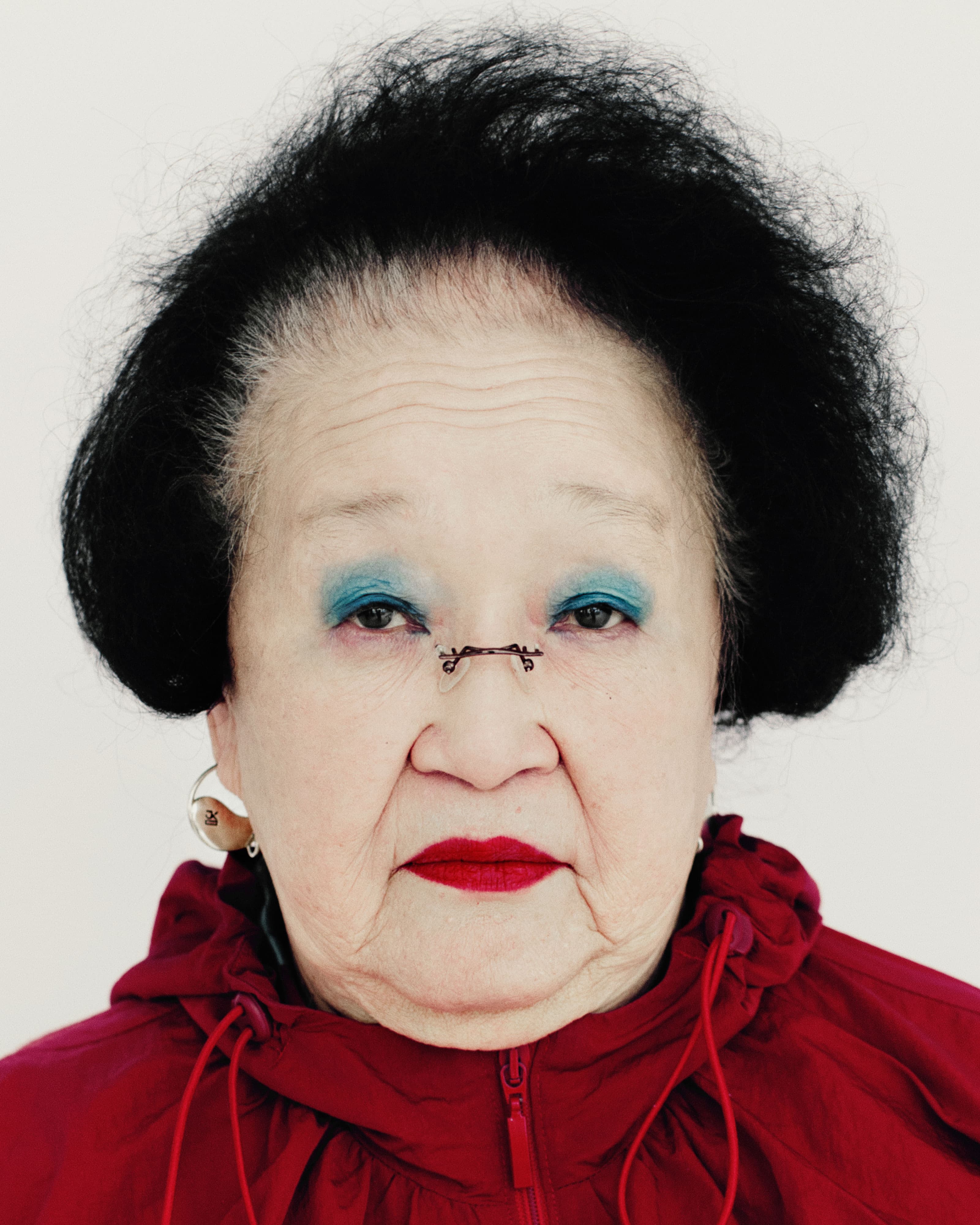
“I was born in Ferghana after my parents had been forcibly moved from the Far East. For a long time I asked myself why we are a people without a homeland: speaking Russian, yet being mocked for how we look; having our Korean language forbidden, our things and books destroyed. Decades later I started learning Korean from scratch and opened a Korean school so our children could have at least some contact with this part of themselves that was once taken away.”
This material was first published in i-D Magazine in 2022.
Photography Sasha Munaev
Styling Jenia Kim and Sofia Burnasheva
Creative Director Jenia Kim
Hair and make-up Fariza Rodriguez and Masha Vorslav
Producer Tosya Bakashina
Photography and light assistant Alexander Kimyaev
Production assistant Alina Yaskova and Alexander Loginov
Stylist assistant Daria Tanzharikova and Polina Boroday
Interviews and translation Sofia Yukina and Vlad Ilkevich